
As a automotive product planner who reviews automobile aesthetics for a living, I have always wondered what makes a design really good. Do human as a species have a common grounds for appreciating good designs? Can designs be analysed objectively by breaking down into simple to understand parameters?
So I decided to break down the problem into simple to understand principles that can be applied while analysing any design – from automobiles to interior. In the context of this blog we’ve taken interior design perspective. Post this, you should be able to ensure do looking interiors – Every time.
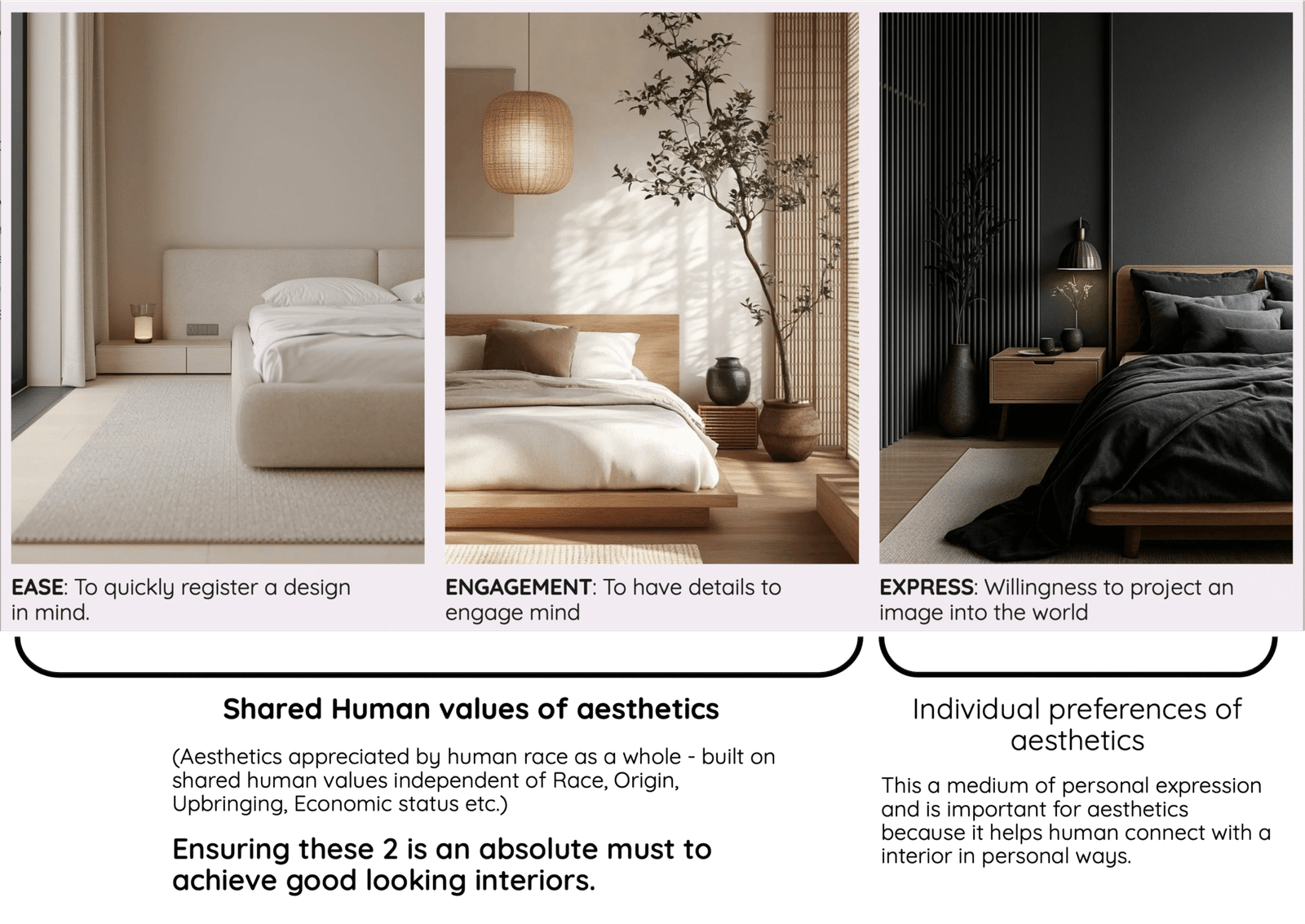
There are 3 human emotions that needs to be triggered to make people love a design.
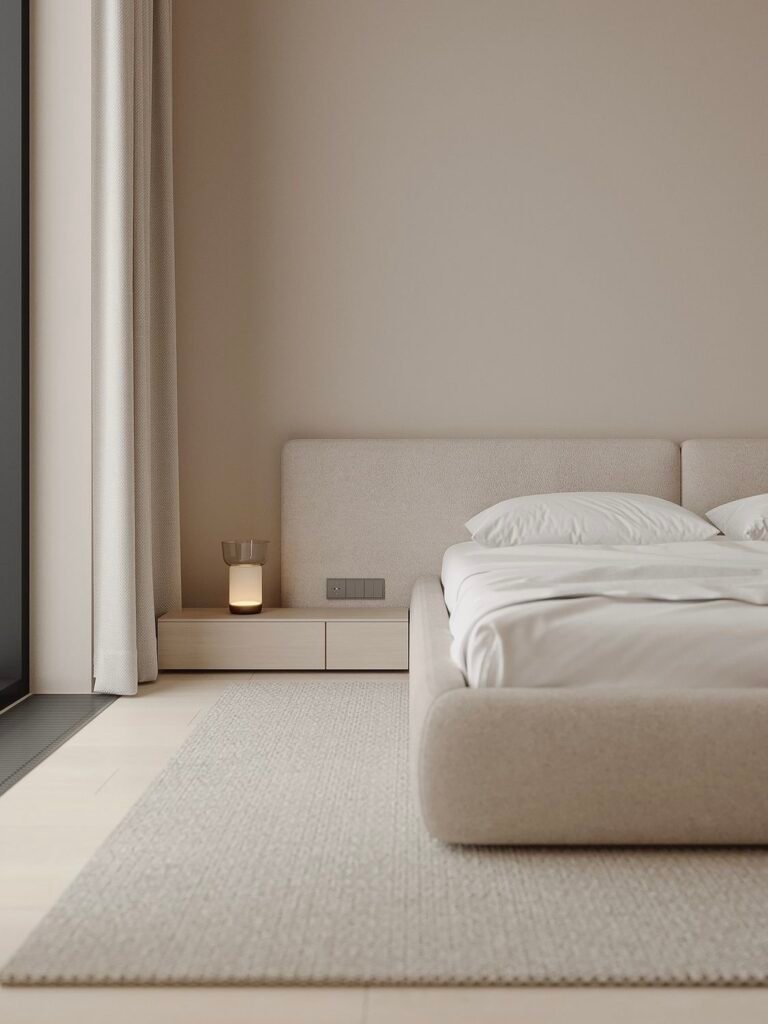
EASE: To quickly register a design in mind.
This is assisted by MINIMALISM | SIMPLICITY | use of patterns, textures and colours found in NATURE | FAMILIARITY & context from products that already exists. And LAYERING in case of high detail interiors.
Ease may most easily be triggered giving mind less to process / minimalism. BUT it can also be triggered while still having a lot of details – by Layering & sequential reveal rather than serving all at once.
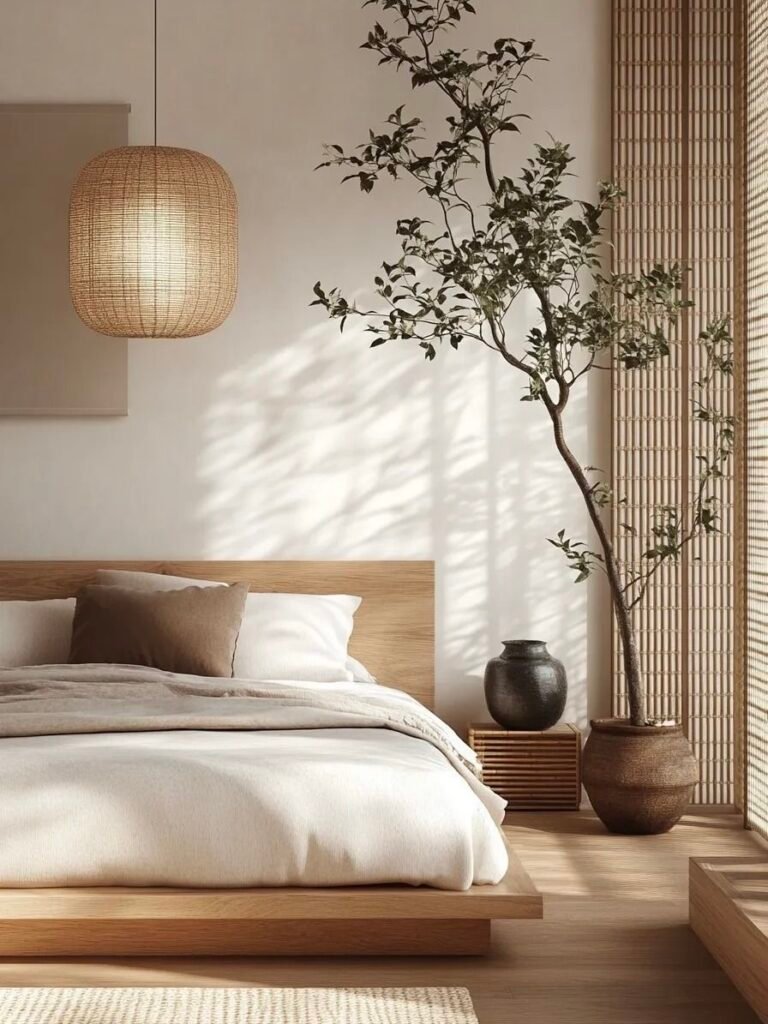
ENGAGEMENT: To have hooks to engage mind
Offering the viewer LAYERS to explore | Intrinsic DETAILS | the backend STORY | mix of textures.
Curiosity is a fundamental human nature. In a space where curiosity and engagement is not served, boredom is inevitable. Humans have evolved through thousands of generation, living in nature which offers unlimited things to interact with and satisfy their curiosity. In HOMES, nothing different is expected.
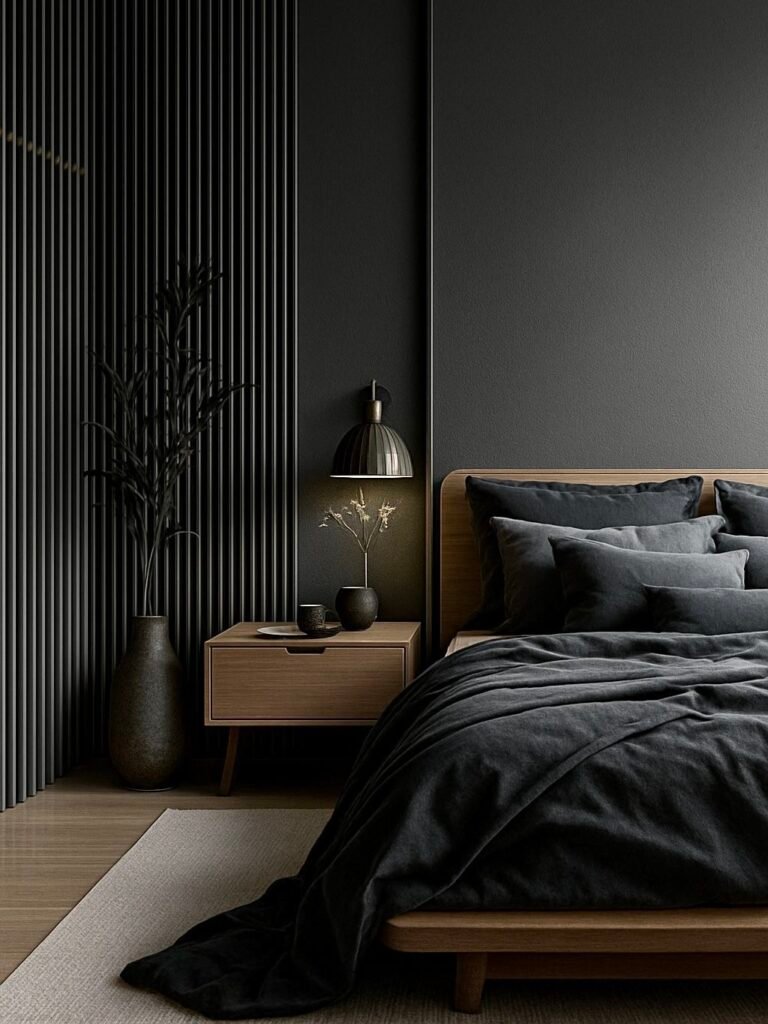
EXPRESS: Willingness to project an image into the world
Commitment to a imagery that a person wants to project into the world. e.g. Being COLOURFUL | SERIOUS or dark | AGGRESSIVE | BELONGING to a culture etc.
This part is sometimes individual driven, sometimes cultural. Cultural elements also at the end of the day, is a result of influential individual affecting a group to adopt something which is not an innate part of being human. In the picture used as an example, doing an all black interior might be an expression of “seriousness” but spending a lot of time here won’t be natural.
Humans do have a common grounds to appreciate designs if the Ease to grasp and Engagement for mind is served. The rest is upto his personal preference of “signalling value”/ willingness to express himself into the world.
Ease & Engagement when combined with multiple Expressions has given birth to multiple decoration styles. Here are some of the examples:
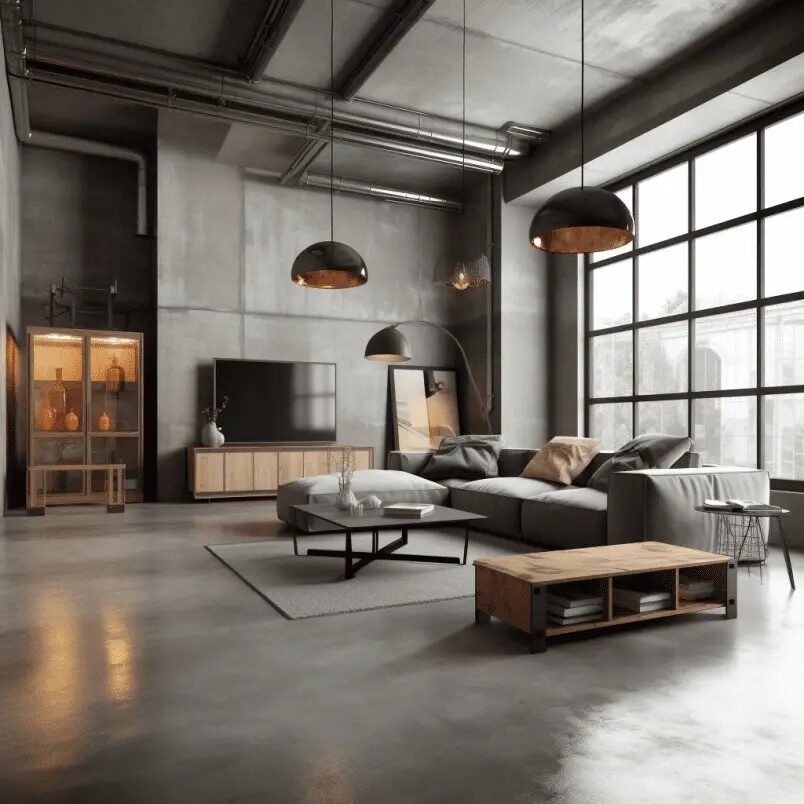
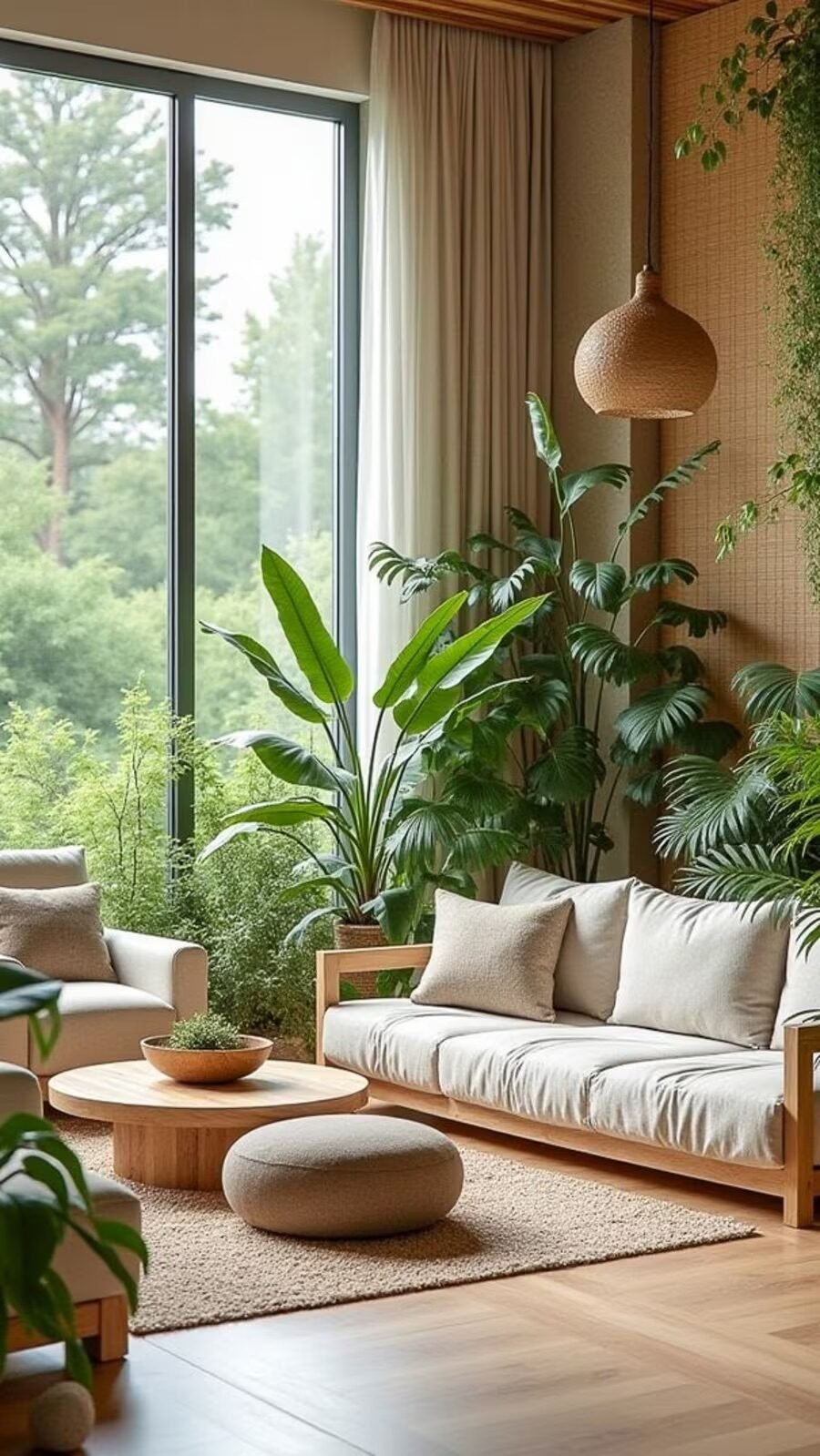
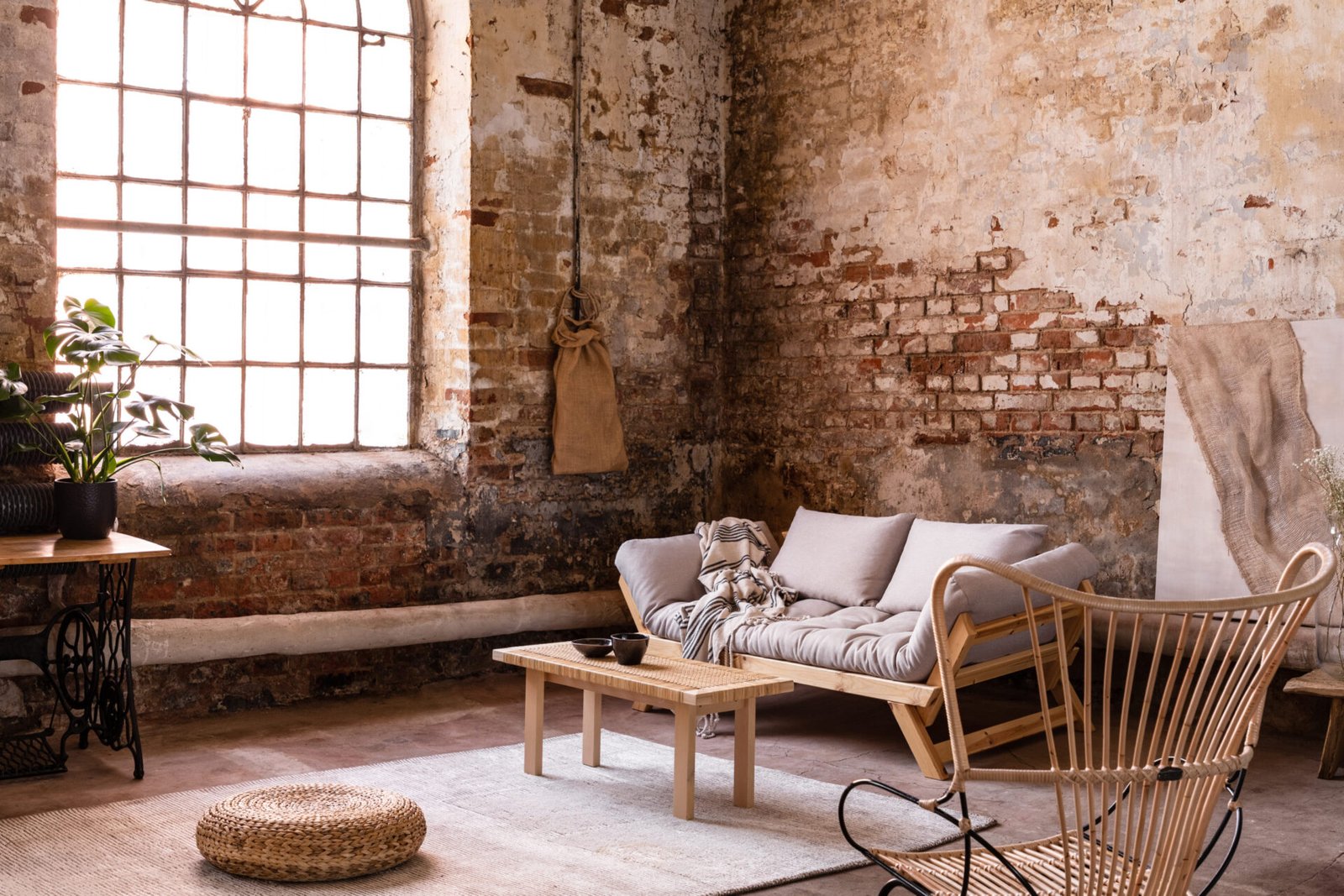
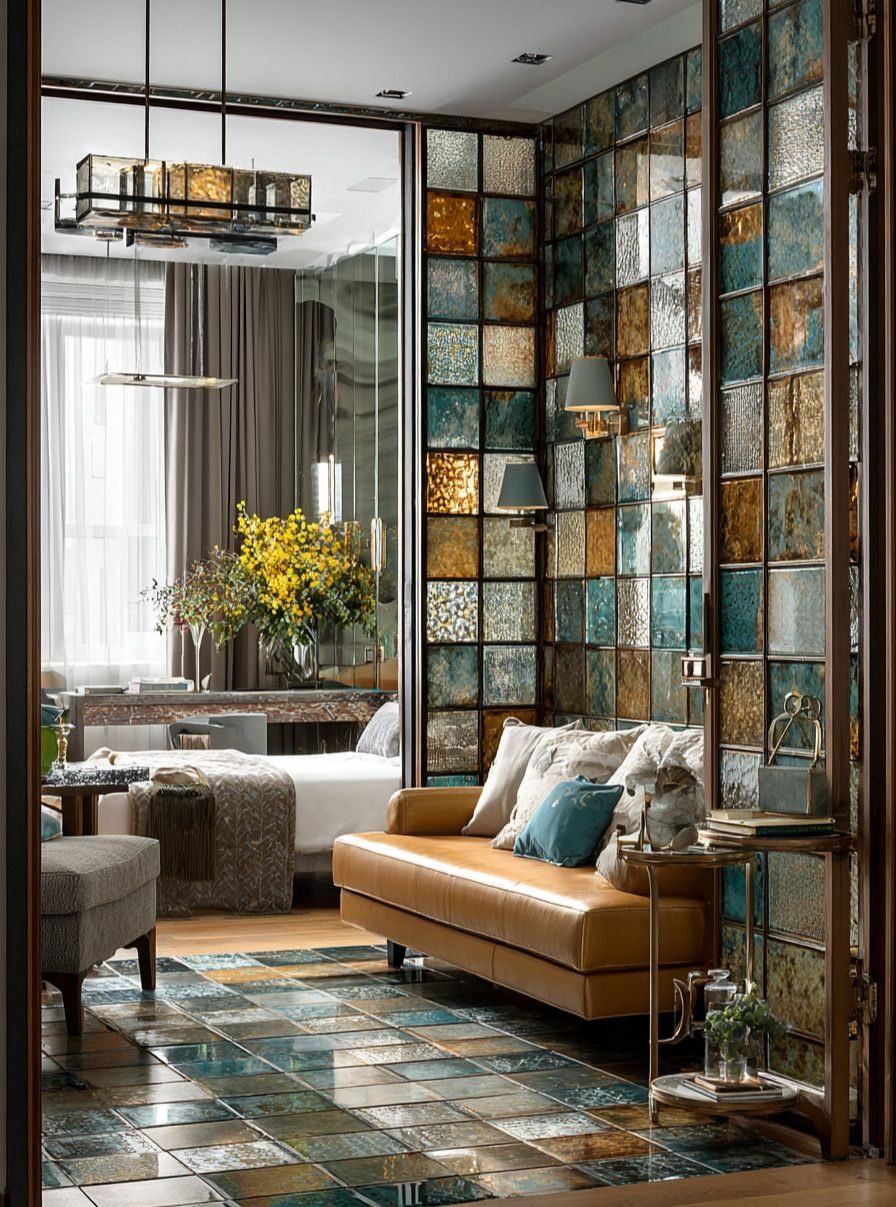
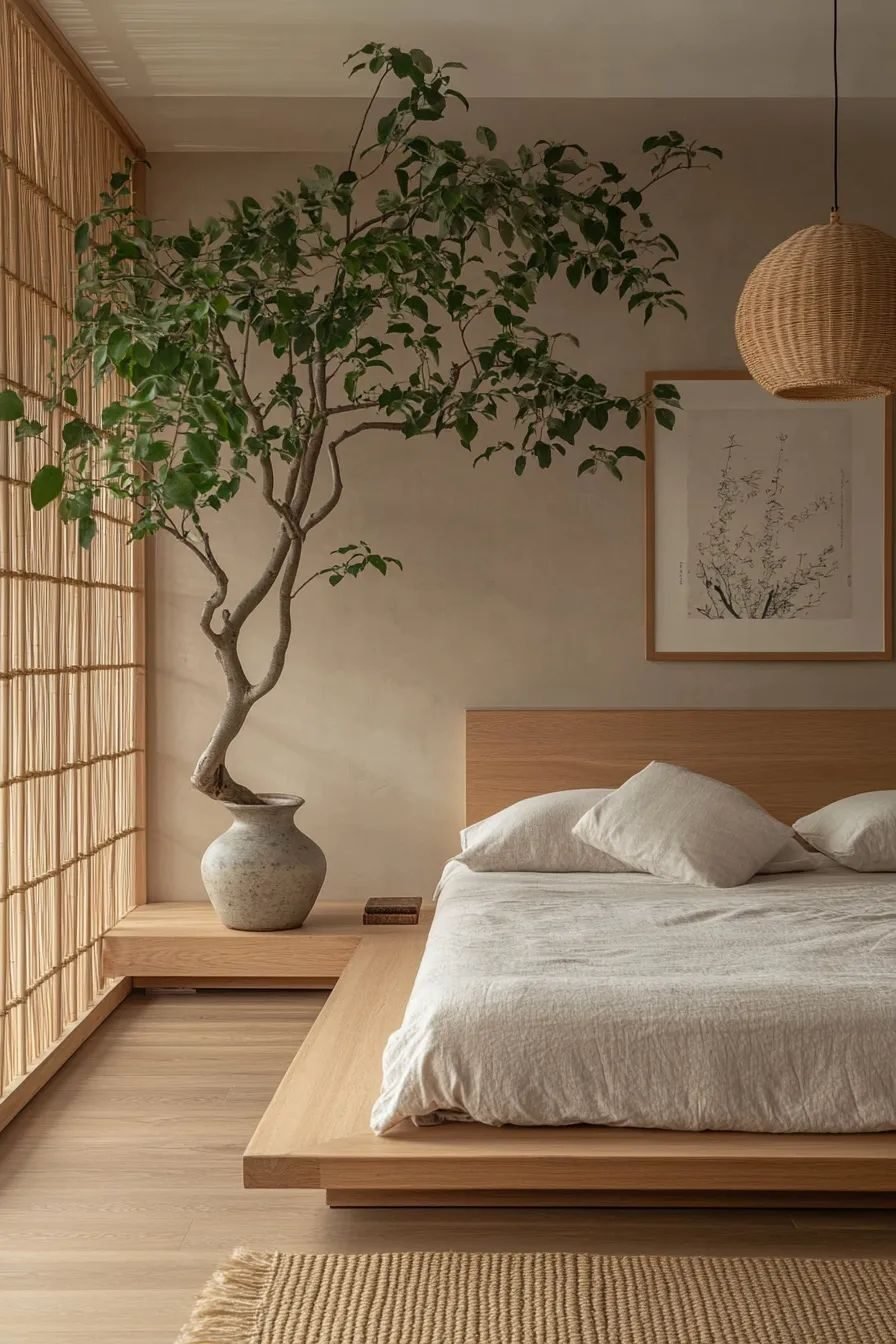
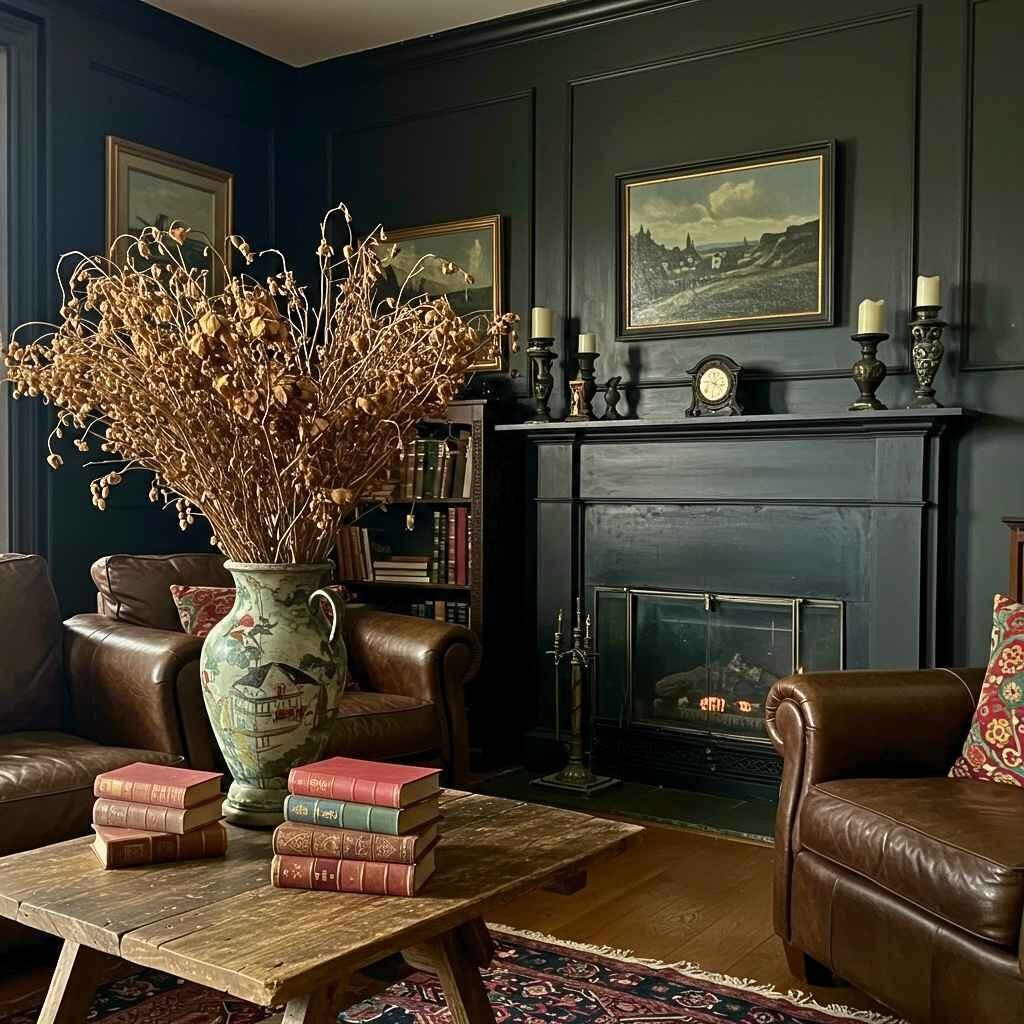
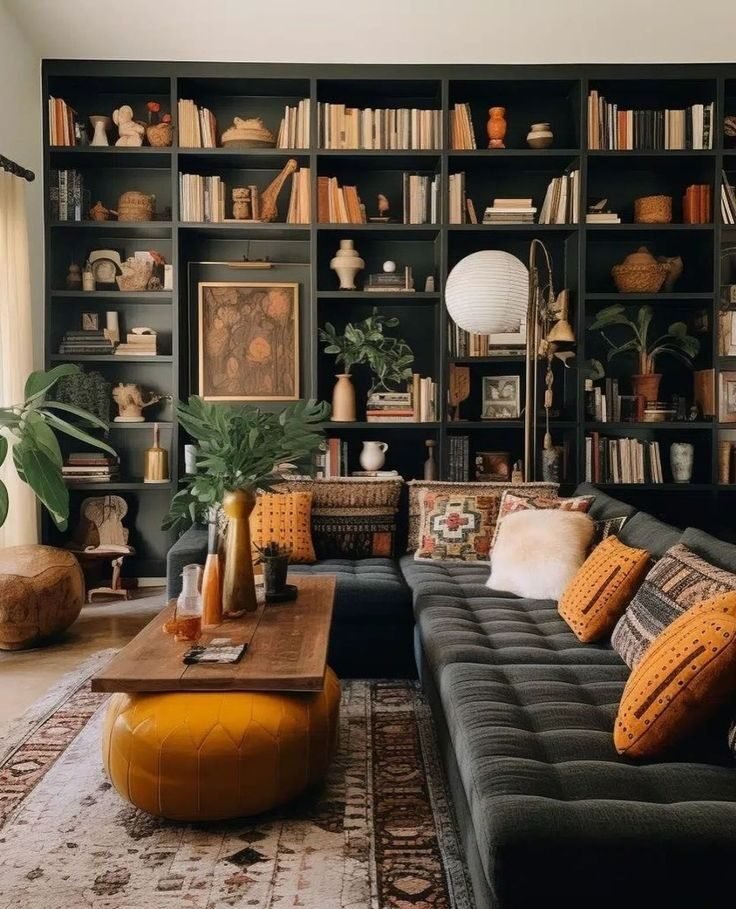
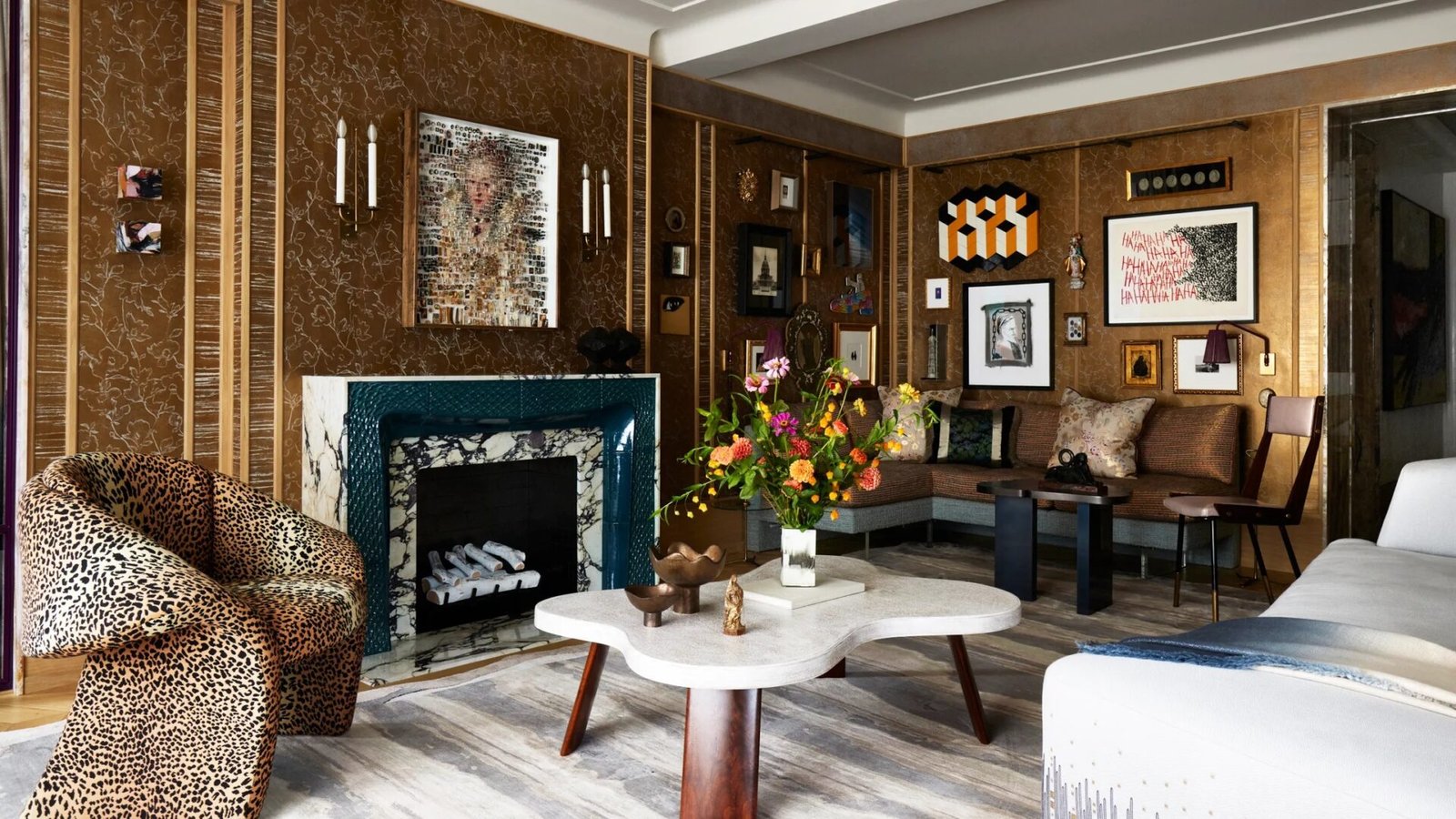
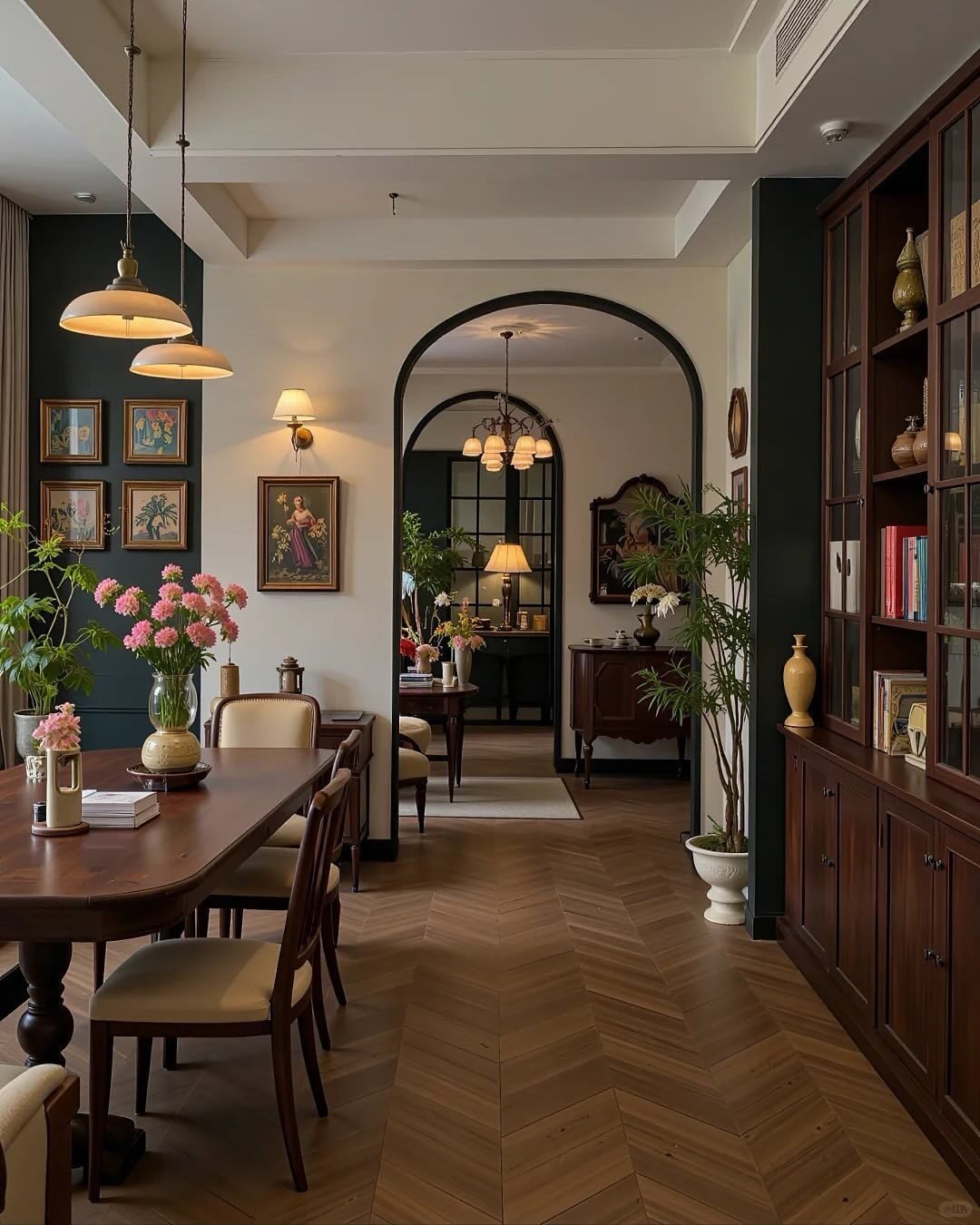
Notice that a good example of any of these interior styles – even the expressive and detailed ones – always possess the first two qualities of providing Ease & Engagement to the mind. Though some of these styles contain a lot of detail, it still offers ease-to-grasp by revealing details in layers. rather than all-at-once reveal.
Let’s take an example of why this interior done in CLASSIC MODERN theme is looking so good.
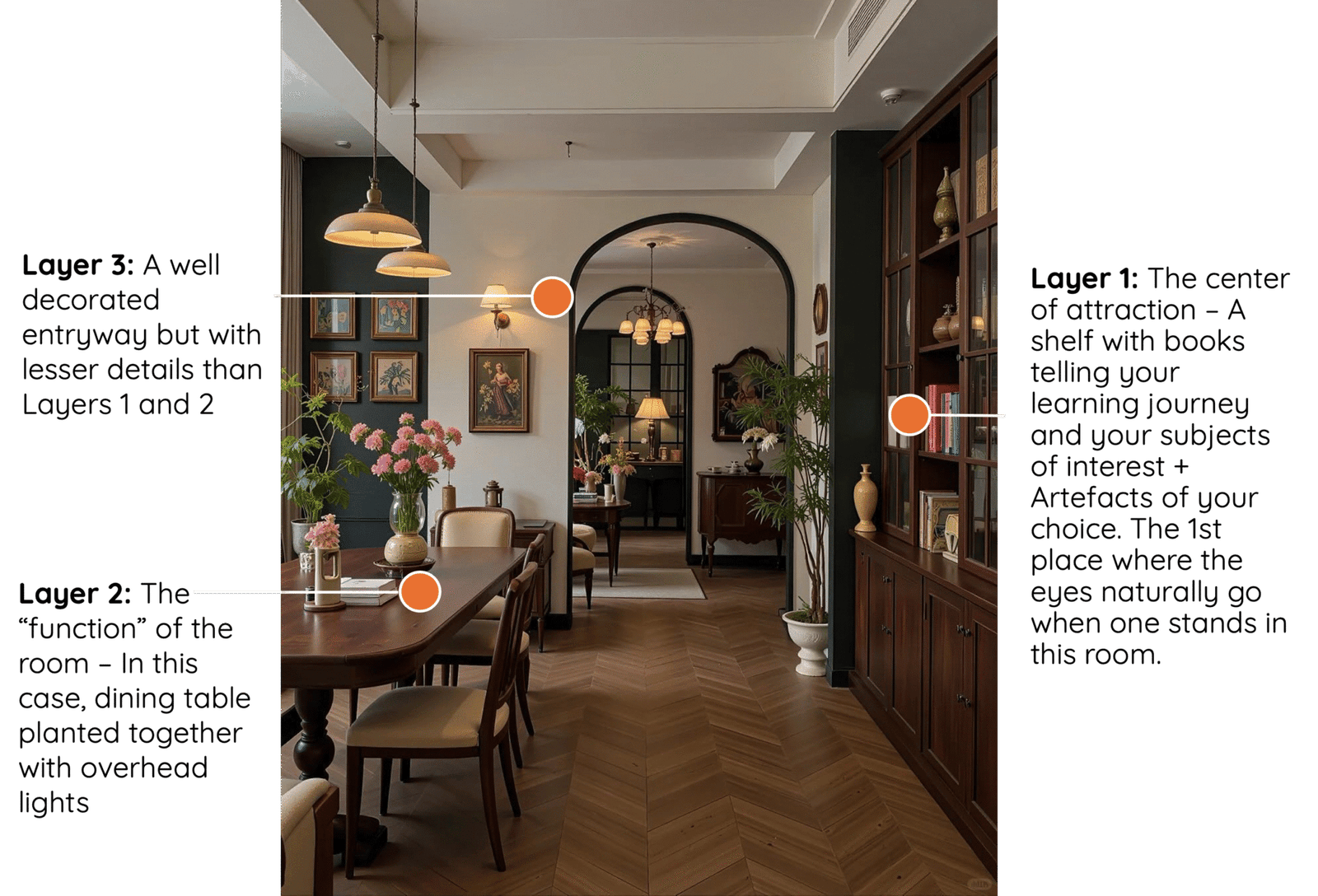
In the example above, through “layering”, the eyes of viewer are drawn systematically from one detail to another without overload, making it easy to grasp. With multitude of objects/ details, the mind has a lot to engage with, BUT those engagements are carefully placed and not scattered randomly. Layering means a natural “Order of priority” in which the eye moves easily from places of high engagement to low without an overload of decision about “where to look”. This the actually the key to offer EASE & ENGAGEMENT at the same time, which typically are a counter to each other.
The right balance of “Ease and Engagement” is also contributed by other good things going on:
- Use of materials and colours found in nature which are naturally in harmony – Brown + Creams + Greens
- Use of Natural and warm lighting
- Use of Multiple Textures – Glass, Wood, Petals and leaves, Leather, Paint. Textured Flooring, etc., Having multitude of textures is a good interior design practice that brings depth and curiosity.
- A consistent. Soft theme created by use of arches throughout the house.
- Here there is a use of “restraint Expression” by having a book shelf that tells your learning journey and your subjects of interest. This example is not an interior style centered around personal expression, hence “Ease and Engage” are the dominant emotions leading the design here.
Minimalism is the most obvious way of offering “ease”. But without balancing it with Engagement, it won’t be a place where you want to spend time in. The problem with extreme minimalism is that it is very “easy” to grasp and appreciate quickly because of it’s clutter free outlook and clarity, BUT it leaves very less that can invoke engagement. It works better in hotels where people are present for a limited time. That is why a lot of mainstream hotels end up being minimal unless they are special themes like Luxury/ Fort/ Medieval etc. Minimalism barely works in Home interiors.
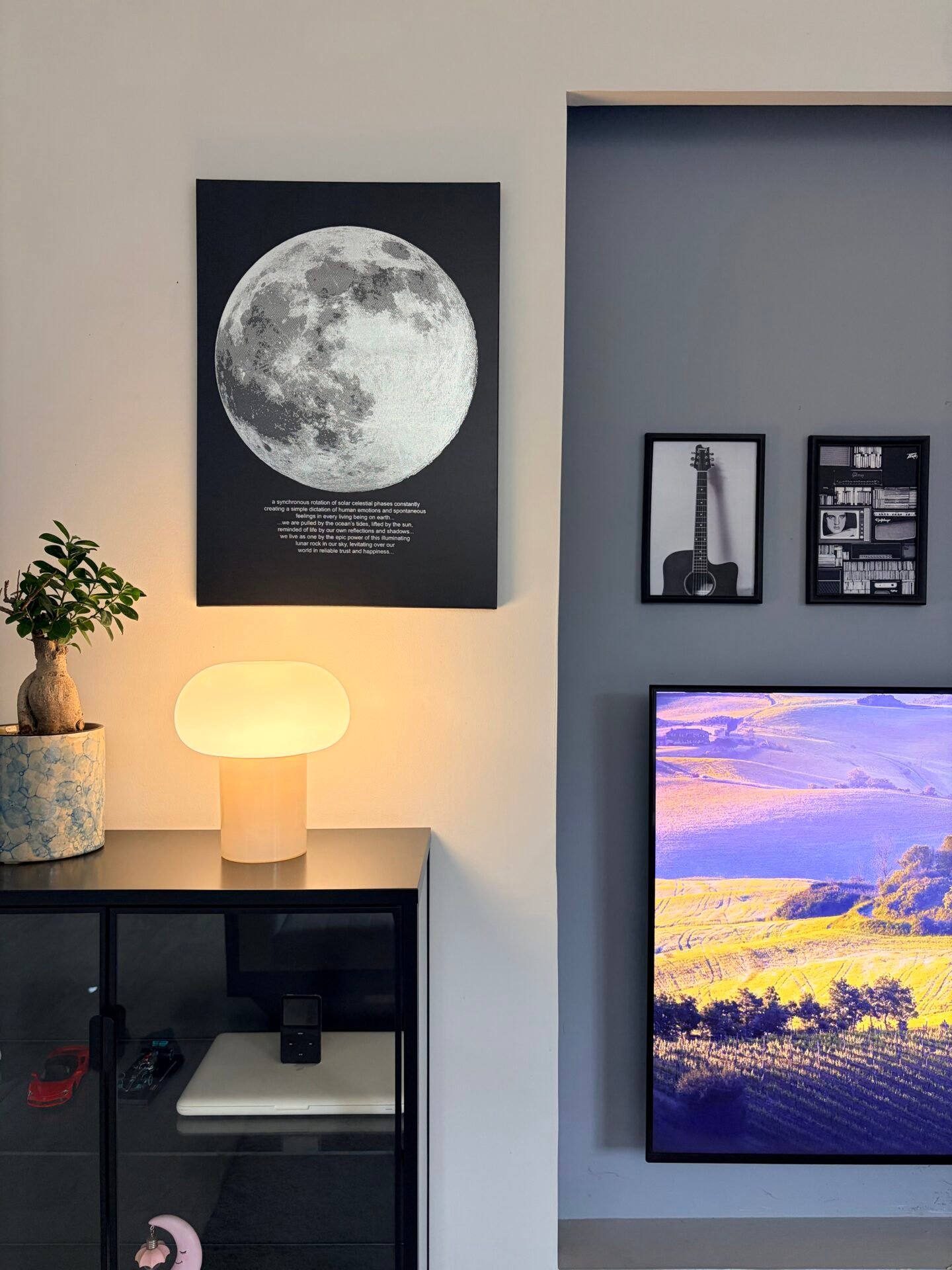
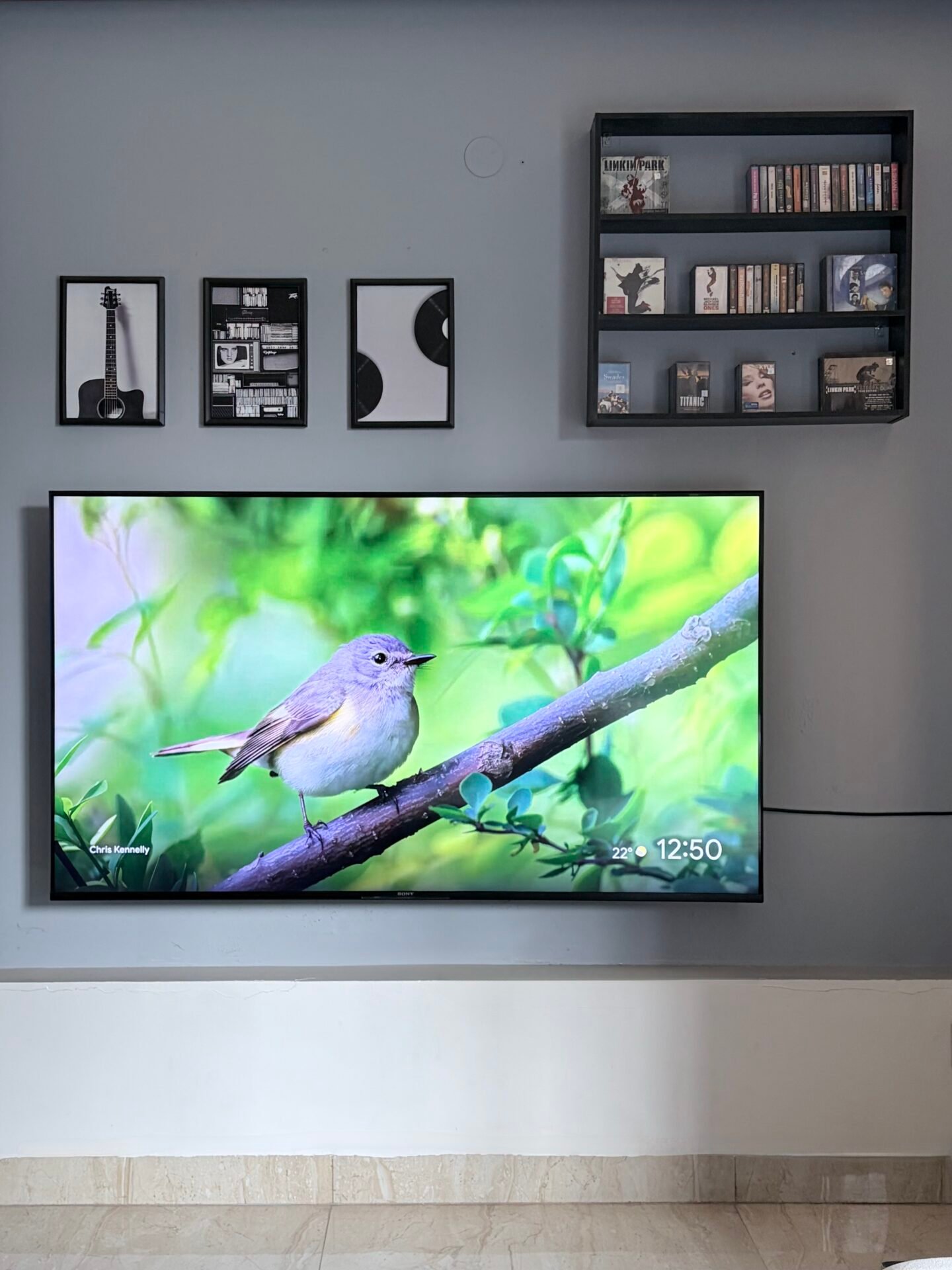
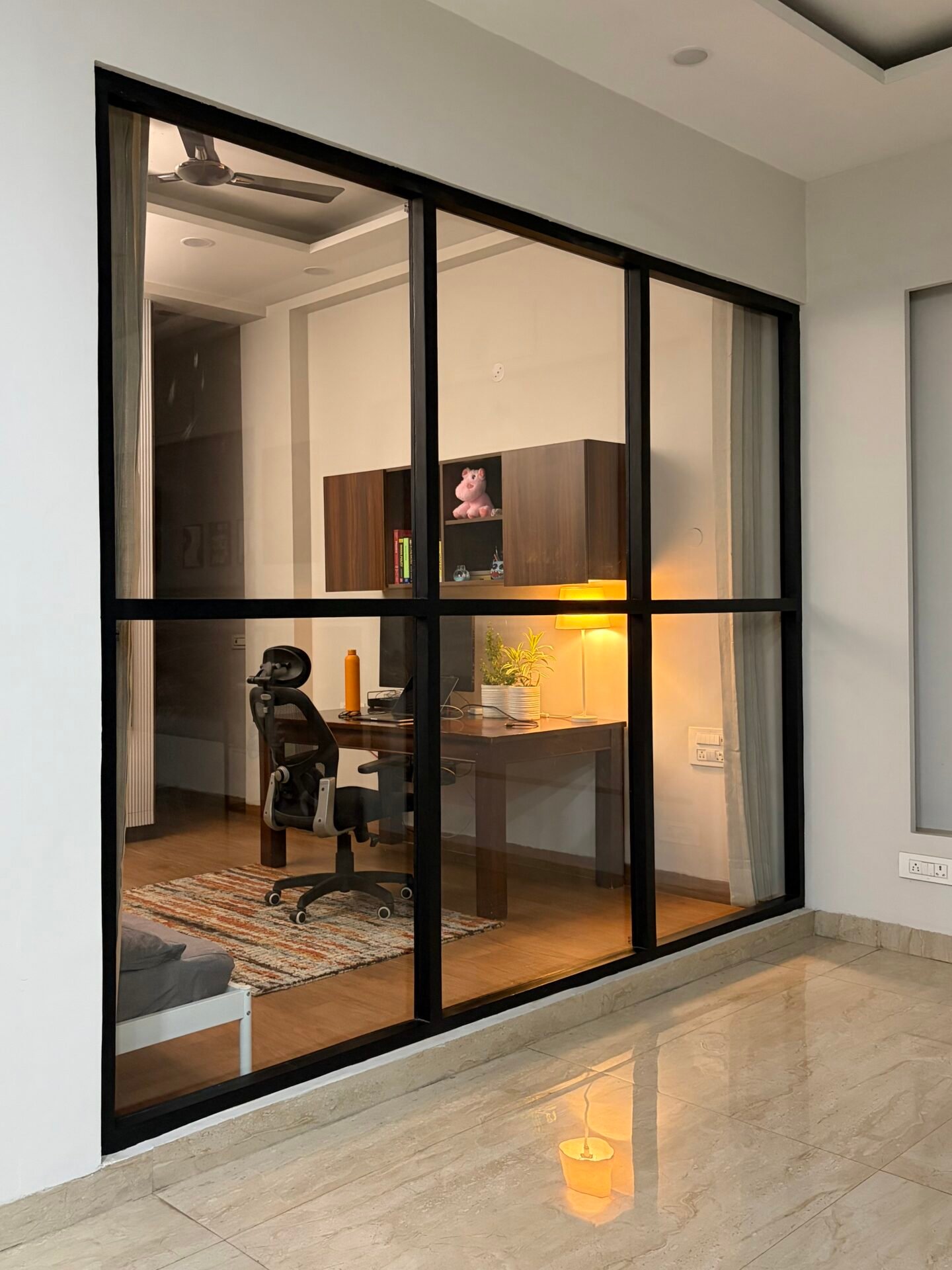
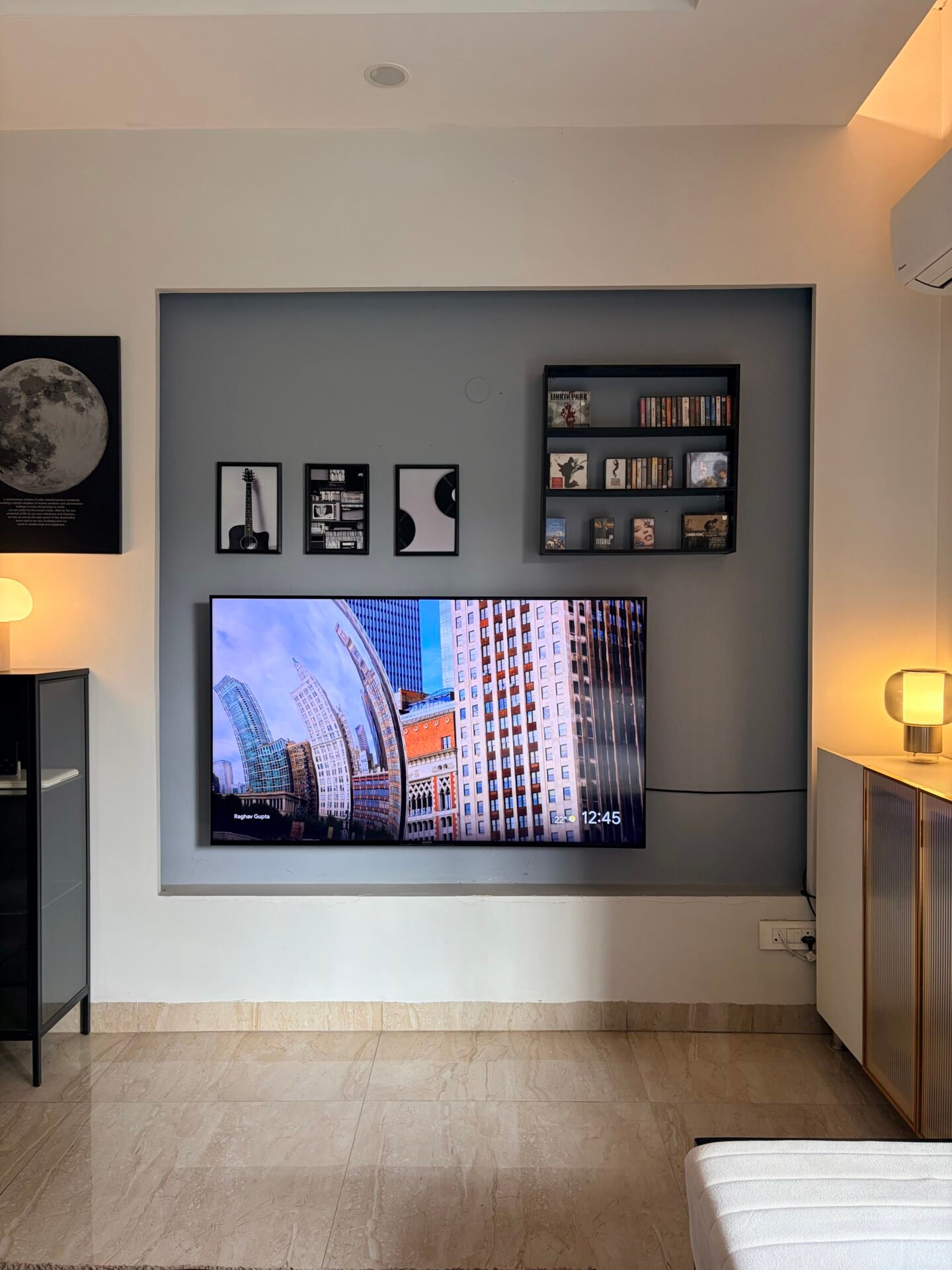
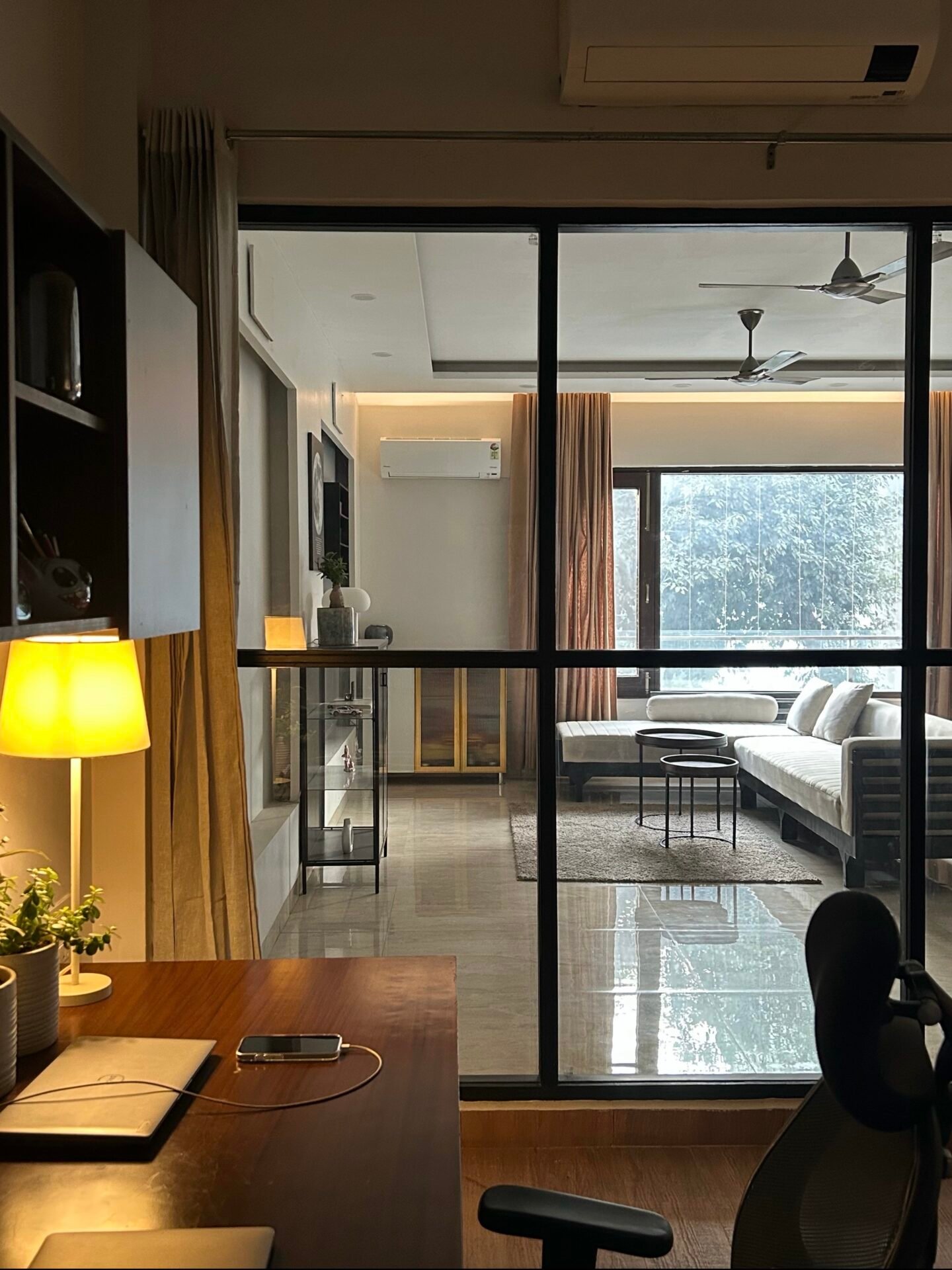
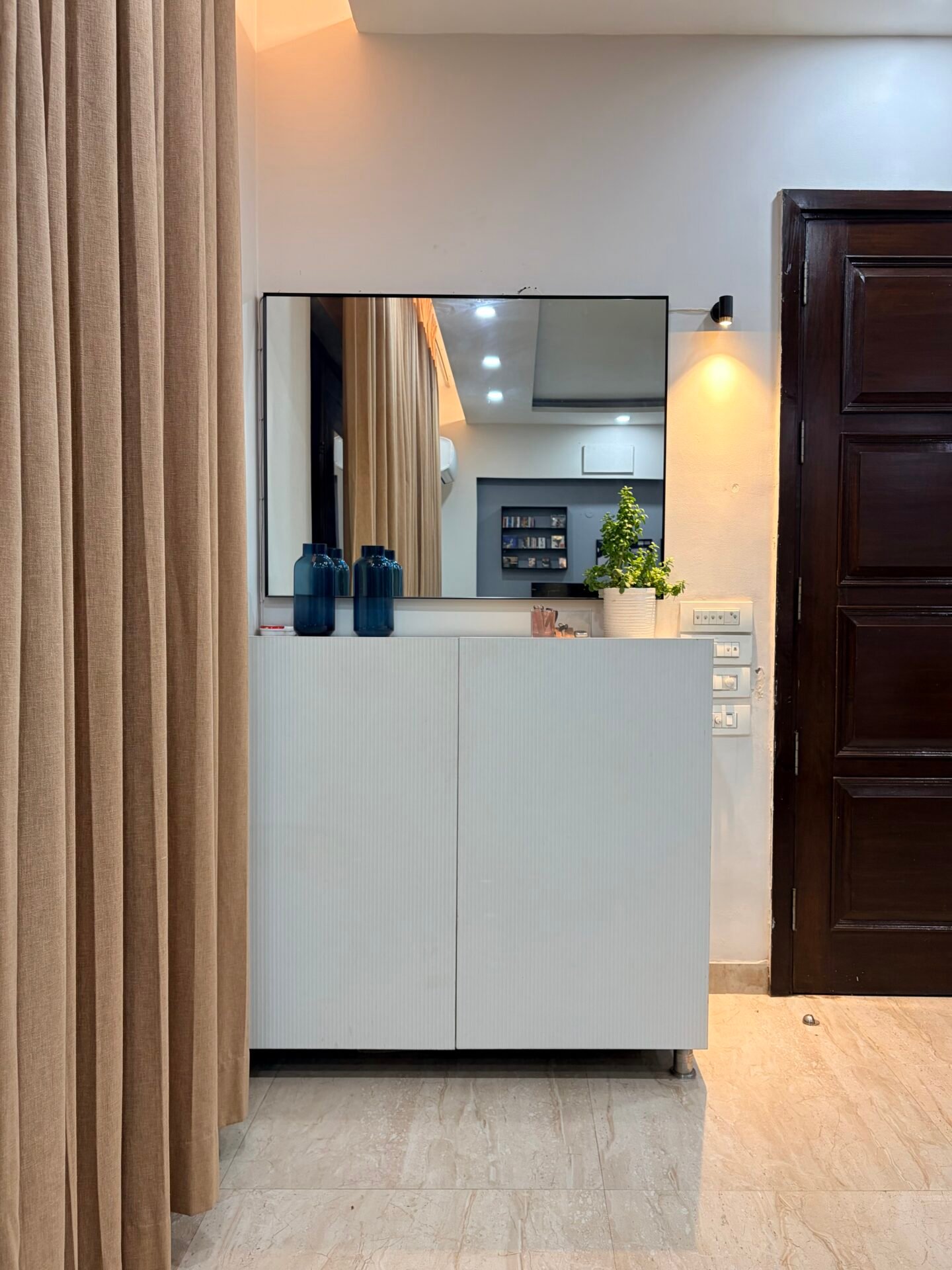
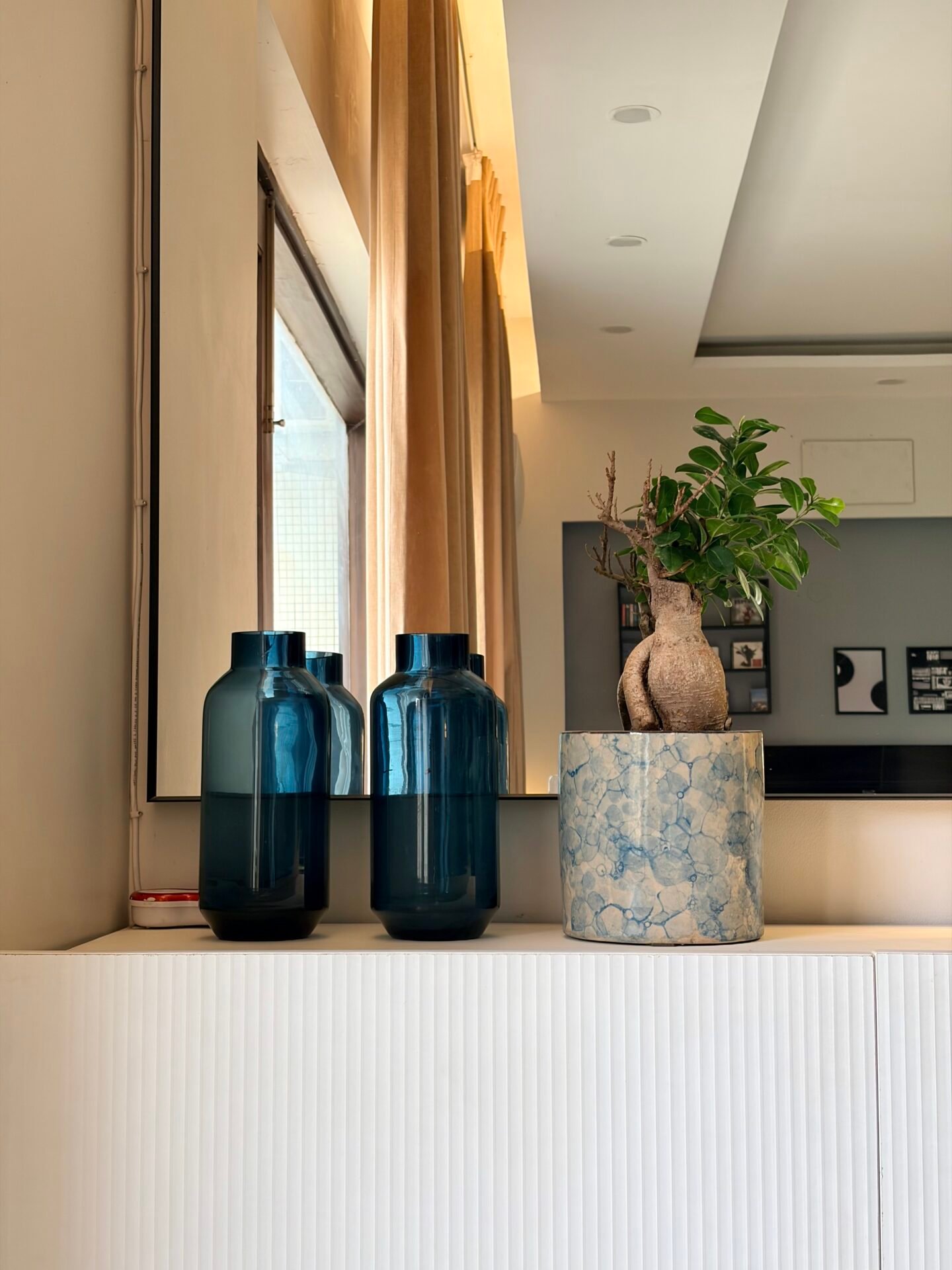
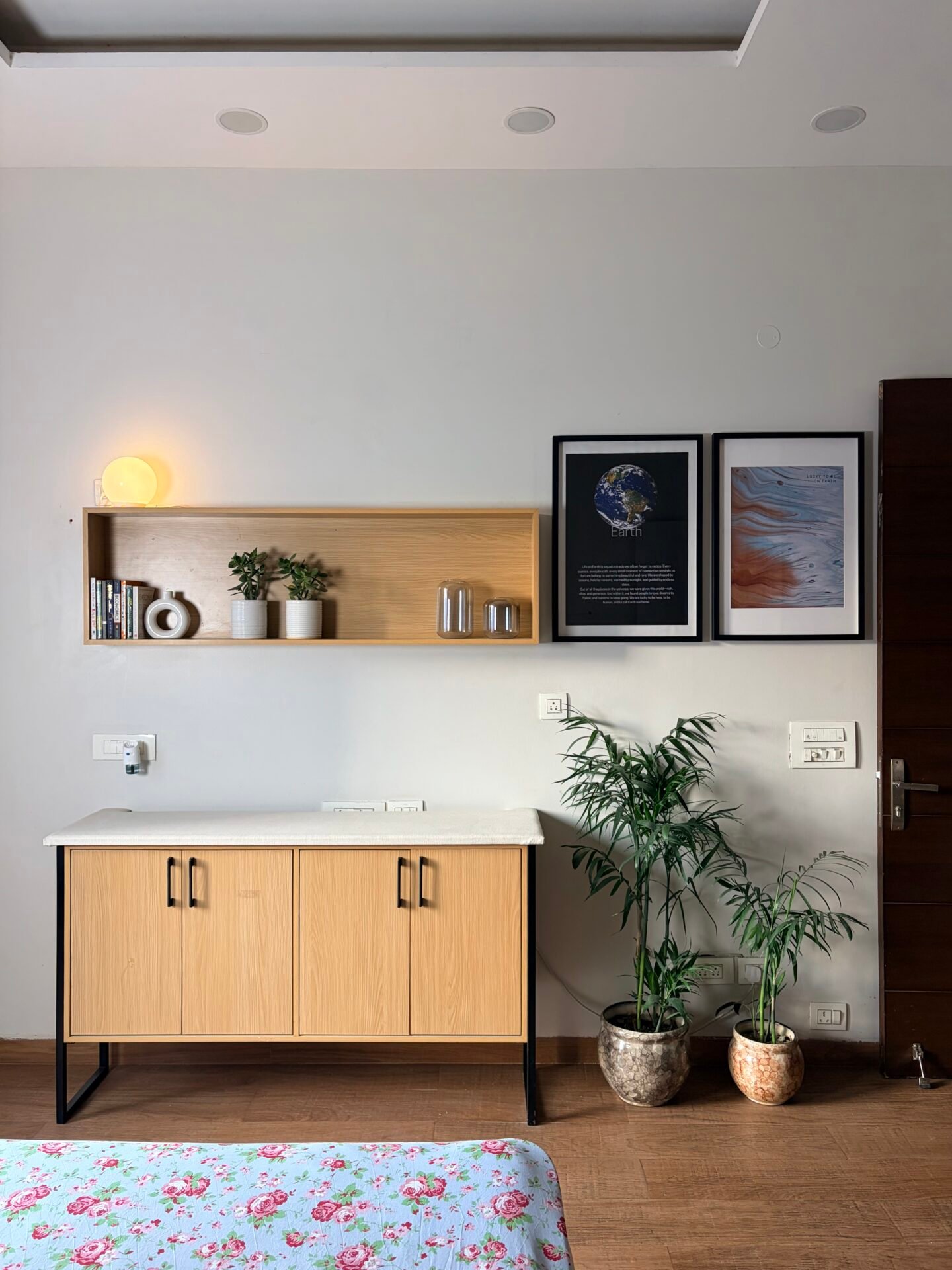
So what did I choose to do personally in my own house?
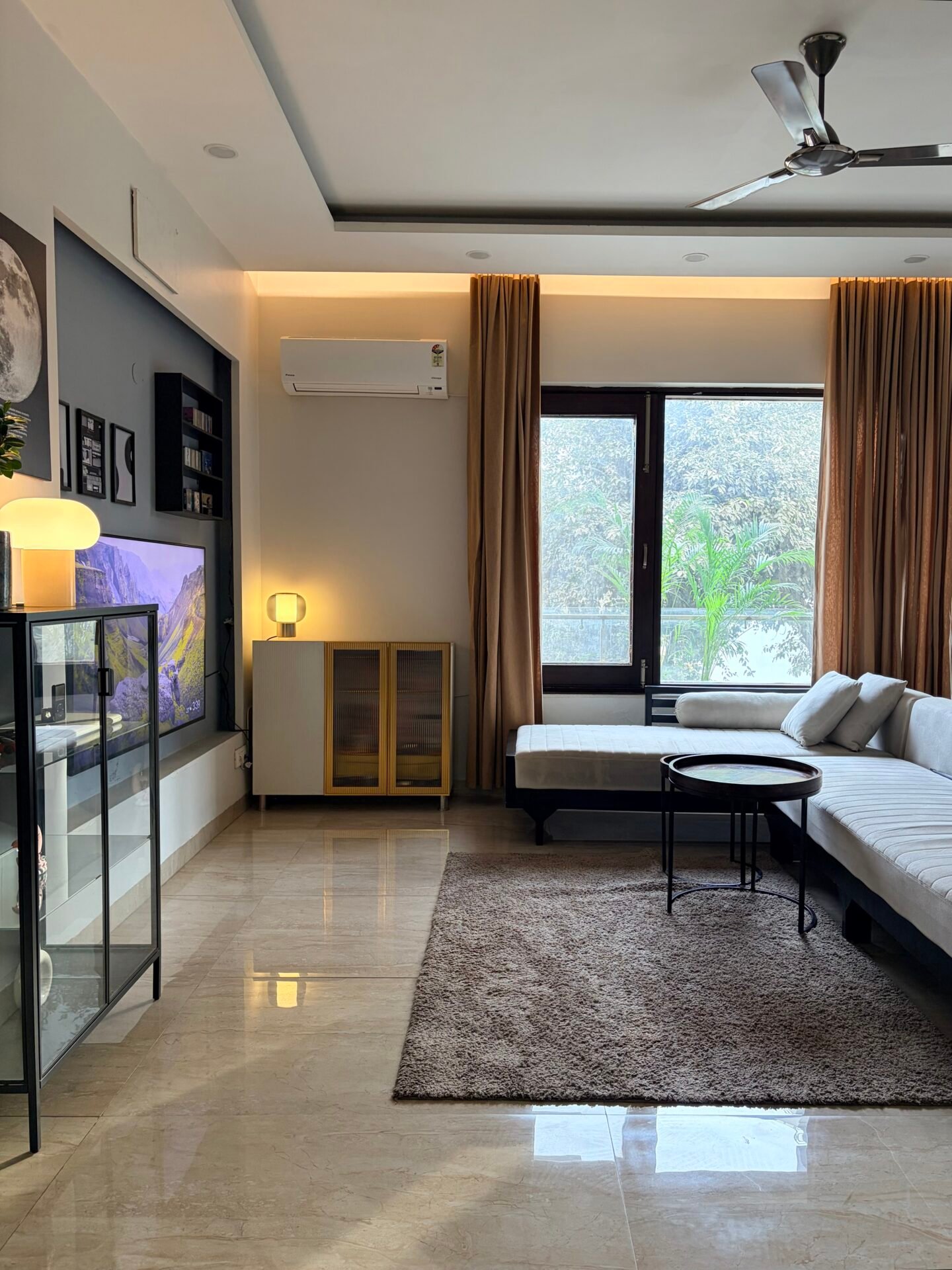
There is nothing wrong with minimal interiors. Because of “essentials only approach” they can feel luxurious. But. my personal recommendation for anyone who like minimalism is to adopt interior styles like JAPANDI/ INDUSTRIAL – still minimal but with a better engagement and story. Here are some of my own:
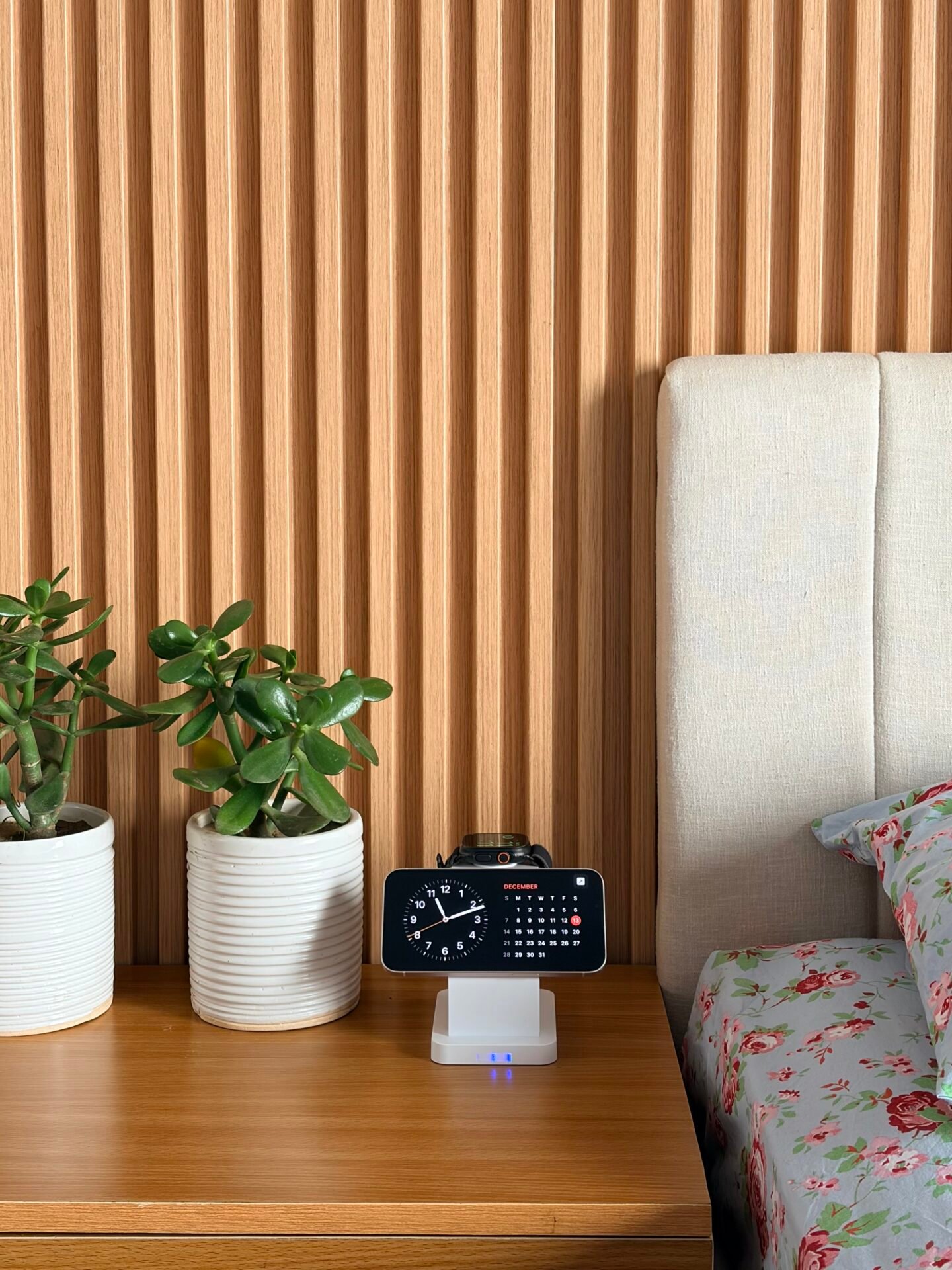
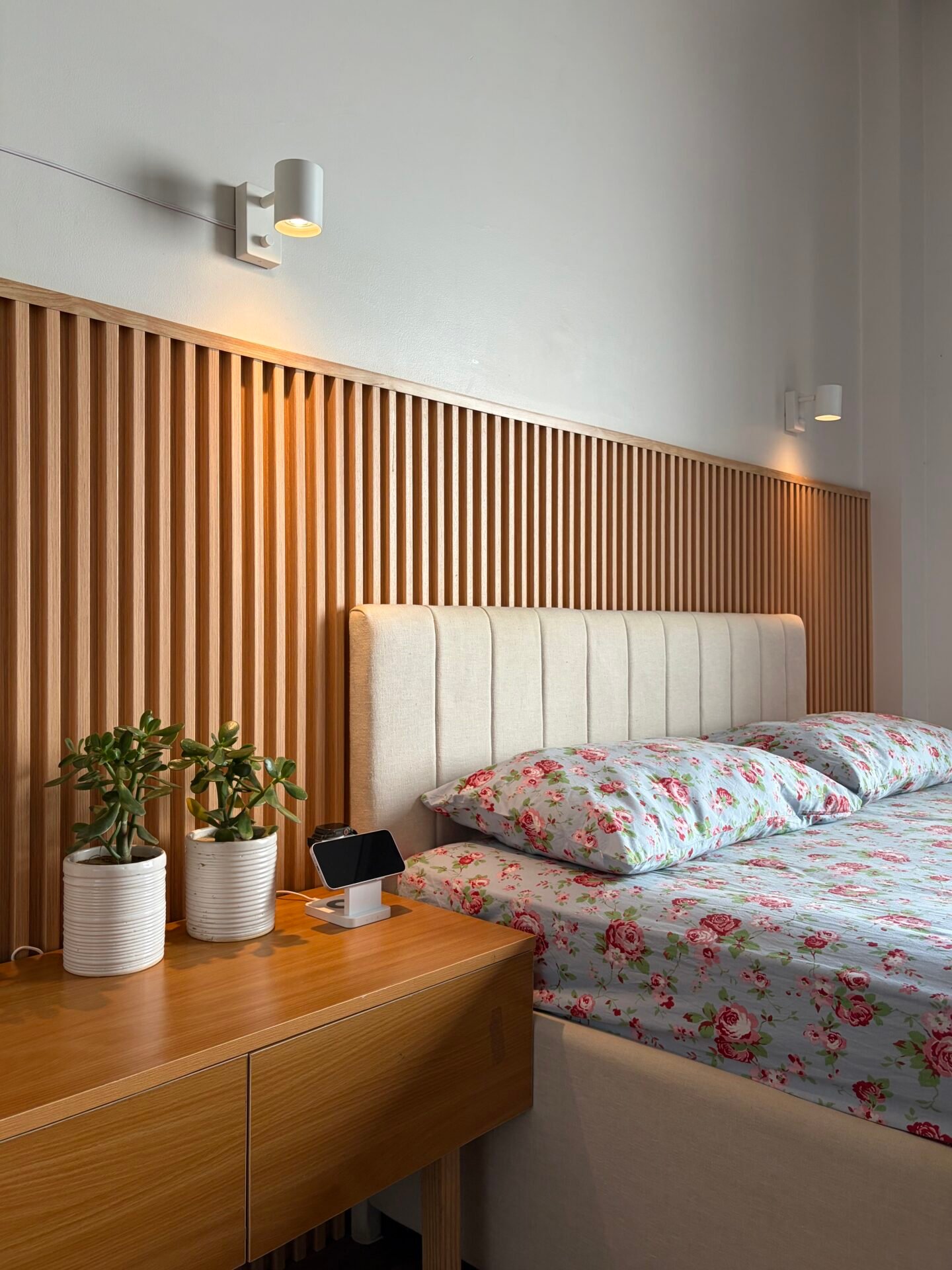
SUMMARY: EASE and ENGAGE, then EXPRESS.
Want a super-easy way to understand & do it? Steal ideas from NATURE.
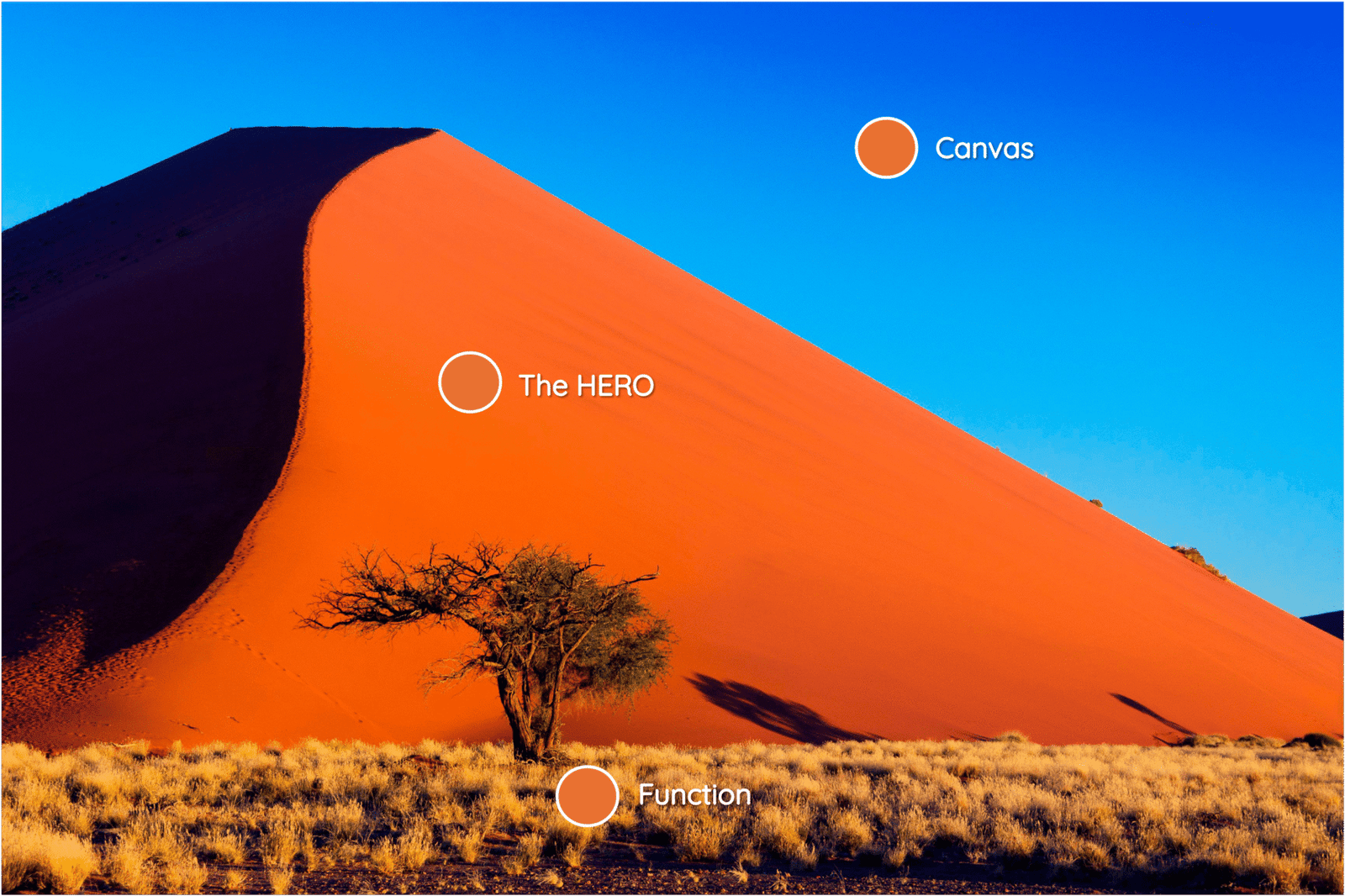
The easiest way to nail Ease and Engage while avoiding detailed design theories is by treating your interior like a canvas that you are painting directly by “stealing ideas” from nature.
Decide the 3 components of your room:
- HERO: Is the main component of your room and everything else revolves around this. For e.g. You have a lot of accolades & awards that you want to showcase and build a theme around it. You have a cutlery collection that is worth being proud of and want to do something with it.
- FUNCTION: Reason for existence of the room, the functional elements like bed, dining table, study etc.
- CANVAS: The space filler that occupies most of the room and has a supporting role in aesthetics. It is complimentary to the Hero, but can be interesting in its own way. Mostly it is floor and ceilings.
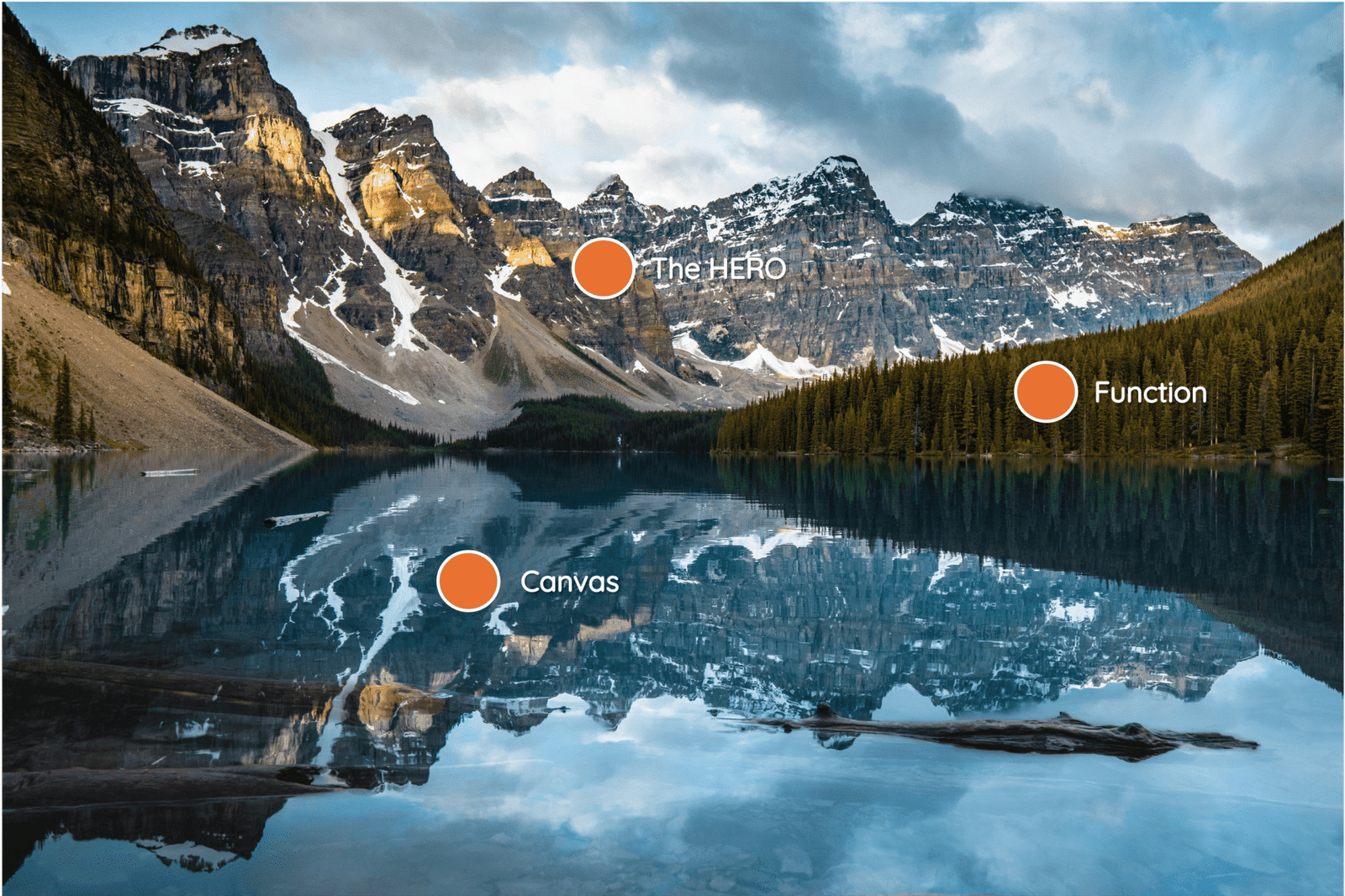
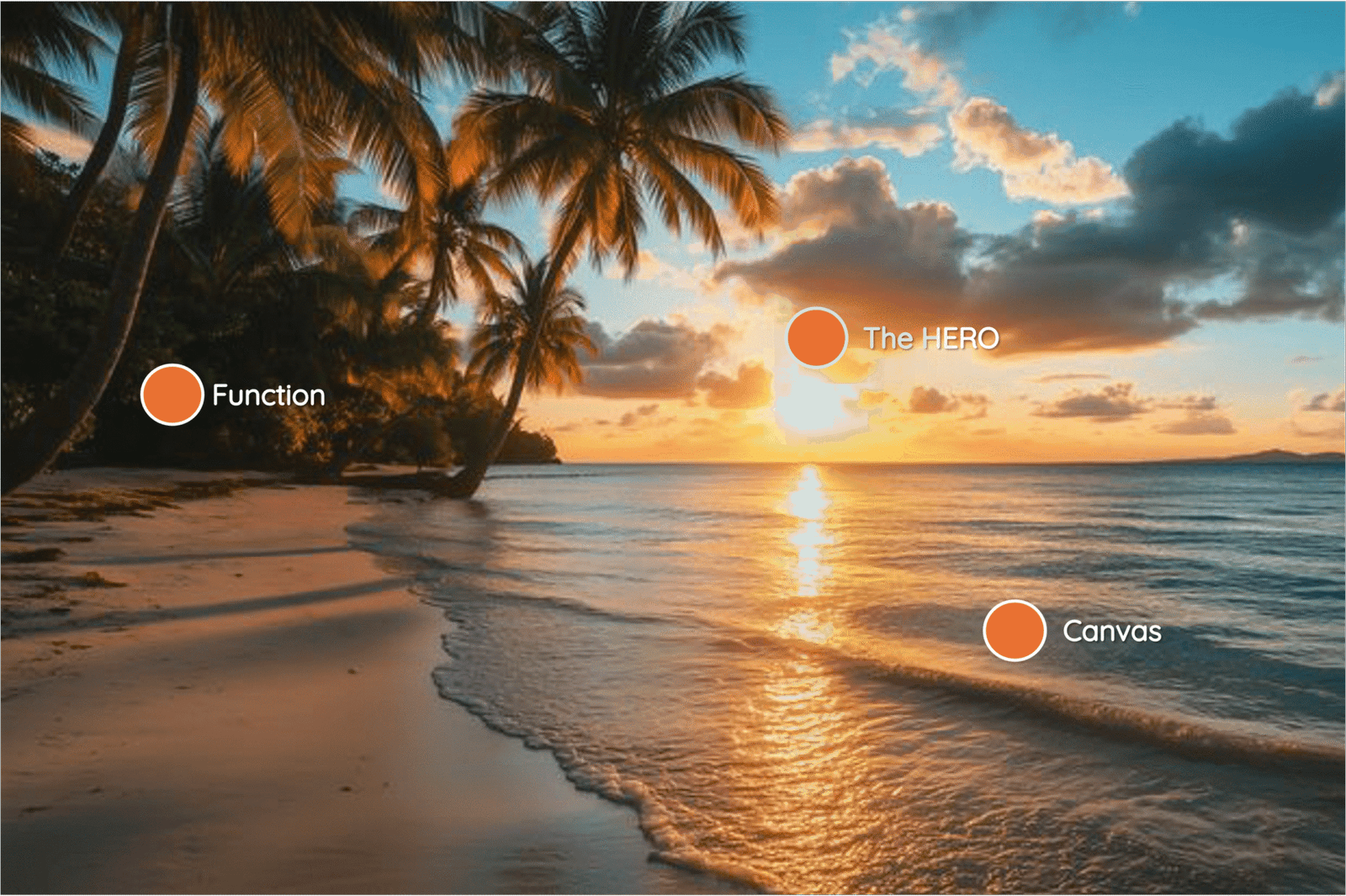
Then do the following:
- Design only 1 or 2 of the components HERO | FUNCTION | CANVAS. Typically it is HERO and FUNCTION component that is designed. The remaining THIRD should just compliment the rest of the two components while being minimal.
- Make sure all the 3 components of interior – HERO | FUNCTION | CANVAS share a common or complimentary colour palette. There are very good articles on internet about choosing complimentary colours, go ahead and use them. On top of this there are good standard ways of selecting the size of furniture, rugs, wall arts, colour and number of lights etc. which can be followed – Stay tuned for my blog on that.
- If your personal preference is maximalism – Go all out making a very detailed & ornate “HERO” and FUNCTION component of interior. But ALWAYS maintain a gap in the level of detail between HERO and FUNCTION component.
- If your personal preference is minimalism – Do a basic layout of “HERO” and “FUNCTION” component of interior. Post that – Focus on invoking “Luxury” = focus on the essential + Negative space around key objects + Make sure of usage of rich and variation of textures in paint, rugs, couch, curtains etc.
Last but not the least – It is always a good idea to consult an expert for doing interior design if you are not on a extremely tight budget. Mistakes committed on interior design are very expensive and can drain your motivation even with a single blunder.
To discuss more – DM us on Whatsapp – (+91) 93111 41351 or reach out to us at: https://wood-glass-concrete.com/contact/
Leave a Reply